The Role of Vertical Injection Molding Machines in Precision Manufacturing
Introduction
In the fast-evolving world of manufacturing, the emergence of Vertical Plastic Injection Molding Machines marks a significant leap toward precision and efficiency. These machines cater specifically to the needs of manufacturers seeking to produce high-quality plastic components in various industries, from automotive to consumer goods. The innovative design offers distinct advantages, such as reduced floor space requirements, making it a vital asset for manufacturers aiming to optimize production while minimizing costs. Traditional injection molding processes often lead to issues like inconsistent product quality and high operational costs—pain points that the Vertical Injection Molding Machine effectively addresses. This article explores the purpose, advantages, and applications of these advanced machines, while highlighting how they contribute to precision manufacturing.
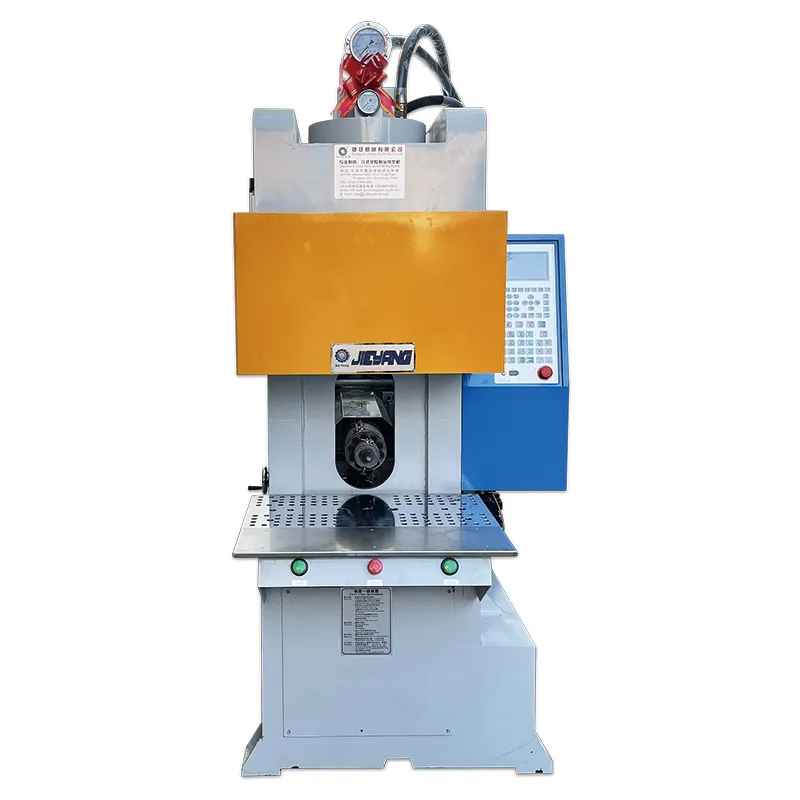
Definition
Vertical Injection Molding Machines operate by positioning the injection unit above the mold. This vertical design allows for efficient material flow and optimal space utilization. The process involves injecting molten plastic into a mold cavity, where it cools and hardens into a predefined shape. Key terms in the industry include shot weight, which refers to the amount of plastic injected per cycle, and clamping force, which is critical for maintaining mold integrity during the injection process. Understanding these terms is essential, as they directly impact production speed and quality.
Application Scenario
Vertical injection molding machines find practical applications in various fields, including:
- Automotive Industry: Manufacturing precise parts such as brackets, connectors, and interior components.
- Consumer Goods: Producing everyday items like containers and cosmetic packaging that require intricate designs.
- Medical Devices: Ensuring high standards of hygiene and accuracy in the production of items like syringes and surgical tools.
- Electronics: Creating components such as housings and connectors that necessitate exact specifications.
By adapting to different materials and shapes, these machines help fulfill diverse production needs across industries.
Brief Description of Advantages
The importance of Vertical Injection Molding Machines lies in their ability to enhance manufacturing efficiency and product quality. Here are key advantages:
Space Efficiency: Vertical designs take up less floor space compared to horizontal machines. This can lead to up to 25% reduction in the required production area, allowing manufacturers to allocate more resources elsewhere.
Precision: The direct gravity feed minimizes material waste and ensures that the shot weight stays within 5% of the target amount, achieving precise production results.
Energy Efficiency: Advanced hydraulic systems and electric alternatives often result in energy consumption reductions of 30% compared to traditional machines. These savings contribute to lower operating costs over time.
Versatility: Capable of processing a variety of materials, vertical injection molding machines can integrate multiple elements, such as inserts and threading, during a single cycle, thereby streamlining production.
Ending
For those considering implementing Vertical Injection Molding Machines into their operations, a deep dive into the user guide is recommended. This guide will provide necessary insights into setup, operation, and maintenance practices to maximize machine performance.
If you're interested in further understanding or trialing these machines, consider exploring offerings from well-established brands like JieYang that provide quality and reliability in vertical injection molding technologies.
FAQ
Q: What materials can be used in Vertical Injection Molding Machines?
A: These machines can handle a variety of materials, including thermoplastics, elastomers, and thermosetting plastics, making them versatile for different applications.
Q: How does the vertical design improve production?
A: The vertical design enhances gravity feed of materials, reduces space requirements, and improves efficiency in the injection process, ultimately leading to better product consistency.
Q: Are Vertical Injection Molding Machines more expensive than horizontal ones?
A: While the initial investment can vary, the long-term benefits of space-saving, energy efficiency, and reduced waste often offset the costs, making vertical machines a cost-effective solution.
Integrating Vertical Injection Molding Machines into your production process can transform your operational efficiency and product quality. Take the next step toward precision manufacturing today.


评论
发表评论