How Vertical Injection Molding Machines Support Overmolding Applications
Understanding User Needs in Overmolding Applications
In today's manufacturing landscape, users face significant challenges when it comes to integrating multiple materials into a single molded part. These challenges often arise from issues such as poor adhesion, the complexity of component designs, and the inefficiencies of traditional molding processes. Enter the Vertical Plastic Injection Molding Machine, a solution that streamlines overmolding applications while improving part quality and production efficiency. These machines are essential for manufacturers looking to enhance their products by combining materials like thermoplastics with elastomers, thus creating items with varying physical properties or aesthetics. In fact, users have reported increases in production efficiency by up to 25% when switching to vertical systems.
Required Preparation for Overmolding with Vertical Injection Molding Machines
Before diving into the overmolding process, it's crucial to gather all necessary materials, tools, and knowledge. Here are the essential prerequisites:
- Materials: Ensure you have compatible thermoplastic and elastomer materials, such as TPE (Thermoplastic Elastomer), which is frequently used in overmolding for its excellent adhesion properties.
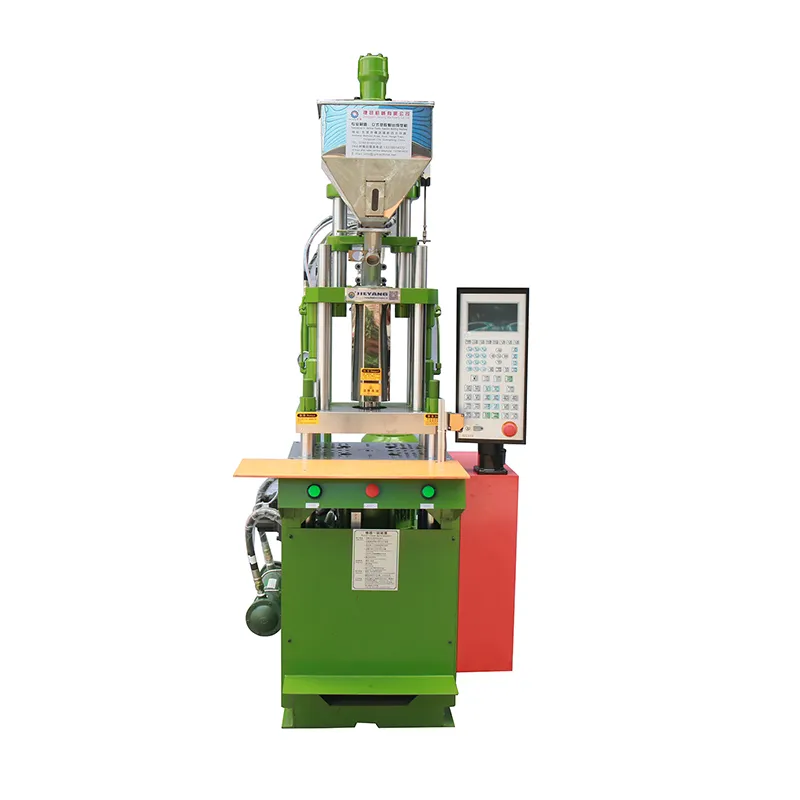
- Tools: A JieYang Vertical Injection Molding Machine is recommended for its precision and reliability. Additionally, you'll need molds specifically designed for overmolding.
- Knowledge: Familiarize yourself with the overmolding process, including the cycle times and temperature settings for different materials.
Step-by-Step Guidance for Using Vertical Injection Molding Machines in Overmolding
Here's a detailed step-by-step guide to help you effectively use vertical injection molding for your overmolding applications:
- Step 1: Set Up the Vertical Injection Molding Machine
Begin by properly configuring and calibrating your JieYang machine. Ensure that the nozzles are cleaned and assembled correctly.
- Step 2: Prepare the Molds
Ensure that the molds are designed to allow for the proper flow of both materials. Clean the molds thoroughly to prevent contamination.
- Step 3: Load the Materials
Load the thermoplastic into the hopper of the machine. Prepare the elastomers separately, ensuring that they are within the specified temperature range for optimal performance.
- Step 4: Program the Machine
Select the appropriate program for your specific overmolding application. Adjust the temperature settings, injection speed, and cycle times based on material specifications.
- Step 5: Initiate the Injection Process
Start the machine and monitor the injection process closely. Use a visual aid, such as the following diagram, to help ensure proper alignment.
- Step 6: Cooling and Ejection
Allow the molded part to cool according to the material specifications. After cooling, carefully eject the part from the mold.
- Step 7: Quality Inspection
Conduct a quality inspection of the final product to ensure proper adhesion and dimensions. Products should show a bonding rate of at least 90% for effective results.
Common Errors in Overmolding and Their Solutions
Users often encounter several common issues when utilizing vertical injection molding machines for overmolding. Here are some of the most frequent errors and how to troubleshoot them:
- Poor Adhesion: If the two materials do not adhere correctly, ensure that the surface of the thermoplastic is clean and that the proper temperatures are applied during the injection process.
- Short Shot Parts: If parts are incomplete, adjust the injection speed settings or check for clogs in the nozzle that may be hindering material flow.
- Warpage and Deformation: Ensure uniform cooling and proper ejection techniques to reduce stress on the molded part.
Summary and Suggestions for Successful Overmolding
Vertical injection molding machines, particularly those from JieYang, provide significant advantages for manufacturers looking to enhance their overmolding capabilities. By understanding and addressing user pain points, manufacturers can improve efficiency and product quality. Regular maintenance of the machinery and continuous training for operators can significantly enhance the reliability of the overmolding process. Aim for high bonding rates and strive to innovate in the material combinations you explore.
FAQs about Vertical Injection Molding and Overmolding
What is the typical cycle time for overmolding with vertical injection molding machines?
Cycle times can vary significantly based on the materials used; however, typical times range from 30 to 90 seconds depending on the size and complexity of the part.
How do I select the right materials for overmolding?
Choosing the right materials requires understanding the properties needed in the end product, including strength, flexibility, and temperature resistance. Consult with material suppliers and conduct tests for optimal results.
Is there a limit to the number of materials that can be overmolded?
While there is no strict limit, practical considerations (like material compatibility, processing capabilities, and cost) usually dictate the number of materials used in a single overmolded part.


评论
发表评论