Common Problems and Solutions for Vertical Injection Molding Machines
As industries evolve, embracing advanced manufacturing techniques is crucial for enhancing production efficiency. One such innovation is the Vertical Plastic Injection Molding Machine. With a growing demand for precise molding processes, these machines have transformed how manufacturers produce complex plastic parts. However, operators often face various challenges that can disrupt workflow.
This article will comprehensively address common issues related to Vertical Injection Molding Machines troubleshooting. By examining prevalent pain points in the industry, we aim to provide clear solutions that significantly improve production efficiency and reduce downtime.
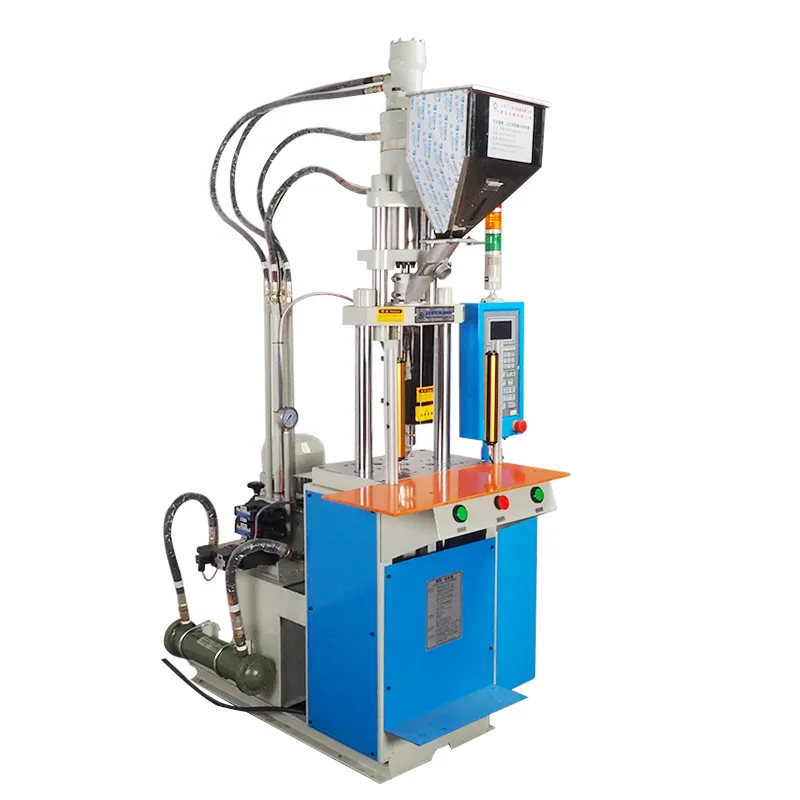
Definition: Understanding Vertical Injection Molding Machines
Vertical injection molding machines are specialized equipment designed to inject molten plastic into a mold cavity vertically. Unlike horizontal models, these machines utilize a downward injection process, allowing for shorter cycle times and better use of space. In contrast to traditional horizontal machines, vertical designs often incorporate a smaller footprint, enabling manufacturing in compact areas.
Industry Term Analysis
- Injection Molding: A manufacturing process that creates parts by injecting molten material into a mold.
- Cycle Time: The total time it takes to complete one injection molding cycle, typically ranging from 30 to 60 seconds for vertical machines, depending on the complexity of the part.
- Mold Cavities: The shapes formed by the mold used to create specific parts, where multiple cavities can be utilized in a single injection for enhanced productivity.
Application Scenario: Where Are These Machines Used?
Vertical injection molding machines find applications across various industries, including:
- Automotive Industry: Producing components such as dashboards, light housings, and even various electronic parts.
- Medical Devices: Manufacturing sterile and precise components for surgical instruments and diagnostic devices.
- Consumer Goods: Crafting various household items, including containers, toys, and tools.
Integrating these machines into manufacturing processes allows businesses to optimize production and reduce waste, ultimately leading to increased profitability.
Brief Description of Advantages: Why Are They Important?
The advantages of using Vertical Injection Molding Machines include:
Space Efficiency: Vertical design allows multi-use arrangements, which is crucial when floor space is at a premium. Studies show that up to 40% more space can be saved compared to horizontal machines.
Reduced Cycle Times: Due to their design, vertical machines can achieve cycle times that are 20-30% faster than their horizontal counterparts, significantly impacting production rates.
Easier Automation: These machines are often easier to automate, enhancing production capabilities without the need for extensive labor.
Lower Material Waste: Vertical injection molding typically yields less scrap material during the molding process, boasting a waste reduction rate of nearly 25% over traditional methods.
Troubleshooting Common Issues with Vertical Injection Molding Machines
H2: Vertical Injection Molding Machines Troubleshooting
Common challenges faced by operators include:
Incomplete Fill: This issue arises when the mold does not fill entirely with material. Solutions involve adjusting temperature settings, increasing injection speed, or improving material flow rates.
Surface Defects: Often caused by moisture or oil contamination, proper maintenance routines, including regular cleaning and drying cycles, can mitigate these defects.
Dimensional Variations: If parts are not forming to specified dimensions, calibration and mold adjustments may be required. Operators should regularly inspect molds for wear and make necessary adjustments to maintain product quality.
Inconsistent Color: Variance in color can occur due to improper mixing of pigments. Ensuring accurate measurement of colorants and thorough mixing can lead to more consistent results.
Clamping Force Issues: If the clamping force seems insufficient, inspect the clamping unit and hydraulic system for leaks or mechanical wear.
Next Step Guidance
If you encounter issues while operating a Vertical Injection Molding Machine, consult the user manual for specific troubleshooting techniques. For those exploring the benefits of this technology, JieYang offers advanced models designed to enhance productivity and efficiency.
FAQs: How Can I Improve My Vertical Injection Molding Processes?
What maintenance is required for Vertical Injection Molding Machines? Regular cleaning, lubrication of moving parts, and periodic inspections of molds and hydraulic systems.
How can I ensure quality control during production? Implement statistical process control techniques, regular monitoring of cycle times, and dimensional checks.
Where can I find more information on Vertical Injection Molding techniques? Resources such as industry publications, manufacturer websites, and user forums can provide valuable insights.
In conclusion, addressing the common problems associated with Vertical Injection Molding Machines can dramatically enhance manufacturing processes and overall efficiency. Understanding the technology’s importance in modern industries further underscores the need for skilled operators who can navigate and resolve issues as they arise. For a deeper understanding and trial, consider exploring JieYang’s offerings in this domain.


评论
发表评论