Advantages of Using Vertical Injection Molding Machines for Small Parts
Vertical plastic injection molding machines are increasingly recognized as essential tools in the manufacturing industry. Designed to meet the growing demand for precision and efficiency, these machines are specifically tailored for producing small parts. In an era where consumer expectations are constantly shifting towards higher quality and faster production times, the adoption of vertical injection molding machines addresses critical pain points, including space constraints and production flexibility. It is noteworthy that incorporating vertical technology significantly reduces the footprint on the factory floor, allowing for increased production capacity without additional overhead.
As industries continue to demand smaller, lighter, and more complex components, manufacturers are seeking injection molding equipment capable of delivering exceptional precision, repeatability, and efficiency. From electronic connectors and medical devices to automotive inserts and precision hardware, small plastic parts require manufacturing solutions that minimize defects while maximizing productivity.
A Vertical Injection Molding Machine has become one of the most effective solutions for producing small and intricate plastic components. Compared with conventional horizontal injection molding machines, vertical models offer unique advantages in insert molding, overmolding, automation integration, and space utilization.
This article explores why vertical injection molding machines are ideal for small part manufacturing and how they help manufacturers improve product quality while reducing production costs.
What Is a Vertical Injection Molding Machine?
A vertical injection molding machine is designed with a vertically positioned clamping unit. The mold opens and closes vertically, allowing inserts to remain securely positioned by gravity before plastic is injected.
This machine configuration is particularly suitable for:
- Precision plastic components
- Electronic connectors
- Insert molded products
- Medical disposable parts
- Wire harness connectors
- Switches and sensors
- Automotive electrical components
- Small consumer electronics
Unlike horizontal machines, vertical machines provide easier access to the mold area, making manual loading, robotic loading, and insert placement much simpler.
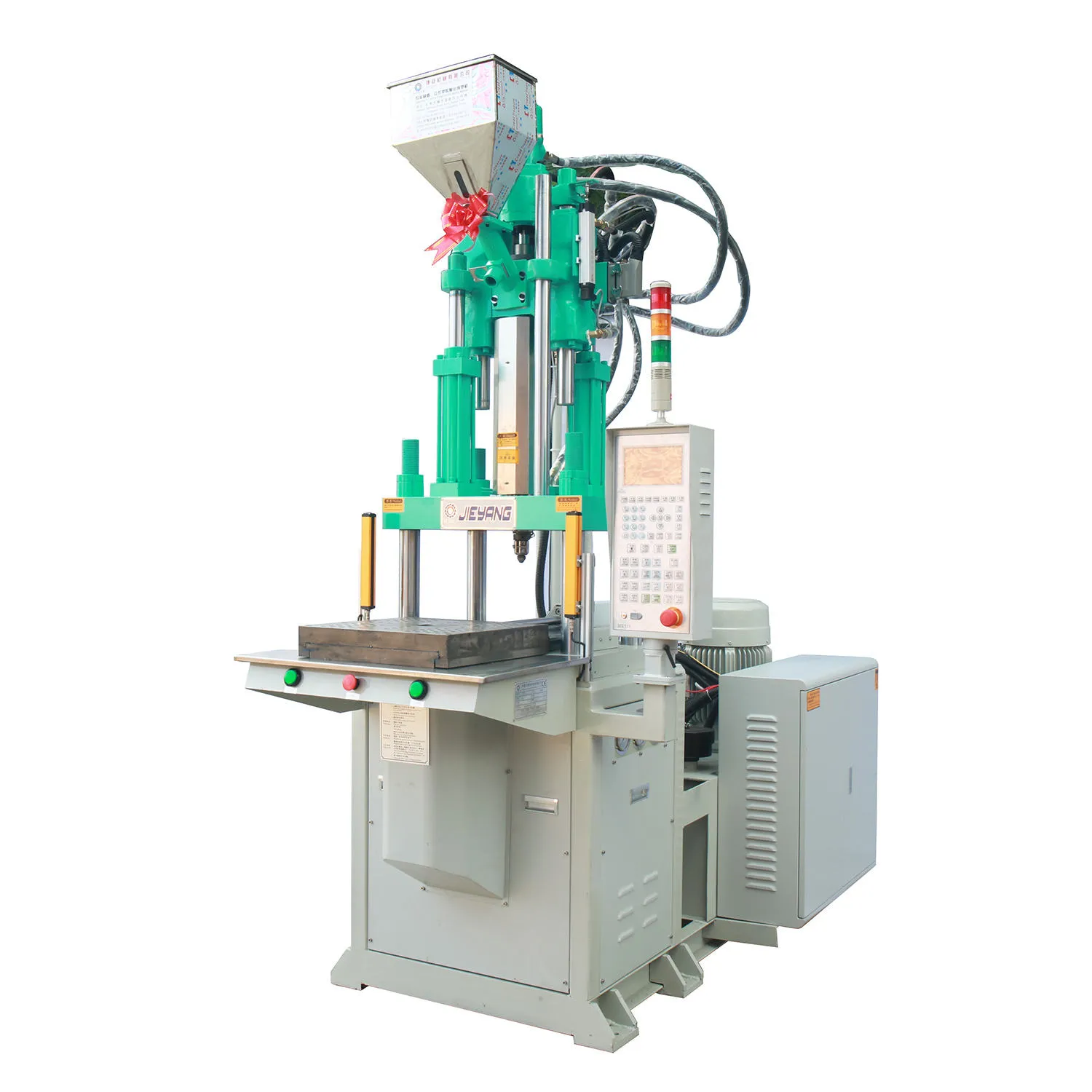
Definition of Vertical Injection Molding Machines
Vertical injection molding machines are specialized devices used to manufacture small, intricate parts through a process of melting plastic pellets and injecting the molten plastic into pre-designed molds. Unlike their horizontal counterparts, these machines operate vertically, which allows for a more compact design. This space-saving configuration is particularly advantageous in facilities with limited floor space. Industry terms such as "clamping force," which refers to the strength necessary to hold the mold closed during the injection process, and "shot size," which indicates the amount of plastic injected in a single cycle, are critical when evaluating machine specifications.
Application Scenarios: Where Are They Used?
Vertical injection molding machines are used across various industries, including:
- Medical Devices: Components such as syringes, connectors, and specialized casings require high precision, which these machines provide.
- Automotive: Small parts like clips, sensors, and electronic housings can be produced efficiently, meeting the stringent quality standards of the industry.
- Consumer Electronics: Items such as buttons, housings, and internal components are often manufactured using vertical injection molding, thanks to the machines' ability to handle small, detailed parts with tight tolerances.
With such diverse applications, the efficiency and precision of vertical injection molding machines make them indispensable in modern manufacturing.
Advantages of Using Vertical Injection Molding Machines for Small Parts
The importance of vertical injection molding machines for small parts cannot be overstated. Here are a few key advantages:
Space Efficiency: By utilizing a vertical layout, manufacturers can save up to 40% of floor space compared to horizontal machines. This is crucial for facilities that need to maximize their production capabilities without expanding their physical footprint.
Energy Savings: Vertical machines generally require less energy to operate due to their design. Reports indicate that manufacturers can achieve energy savings of around 15%-30% depending on the specific model and application.
Reduced Cycle Times: The design of vertical injection molding machines allows for shorter cycle times as the cooling and injection processes can occur simultaneously. Measured improvements in cycle times have been documented at around 25%, leading to higher output rates.
Improved Clamping Force: The vertical nature allows for an efficient application of clamping force, resulting in better mold integrity and a reduction in defects, which is pivotal for industries like automotive and electronics.
Next Steps: Guidance for Users
To delve deeper into the potential of vertical injection molding machines, we recommend consulting the user guide or technical specification sheets provided by leading manufacturers such as JieYang. These resources offer insights into machine operations, maintenance tips, and optimization techniques tailored for various applications. Familiarizing yourself with these documents can lead to enhanced productivity and machine longevity.
FAQ
Q: What types of materials can be used in vertical injection molding machines?
A: These machines can process a variety of thermoplastics, including but not limited to ABS, polycarbonate, and nylon.
Q: How do I choose the right size machine for my production needs?
A: It's essential to consider factors like shot size, clamping force, and the specific requirements of the parts being produced. Consulting with an industry expert can also provide valuable insights.
Q: Are vertical injection molding machines suitable for high-volume production?
A: Yes, many vertical machines are designed for both low and high-volume production runs, offering flexibility in manufacturing.
In conclusion, the adoption of vertical injection molding machines for small parts caters to the evolving demands of various industries by delivering speed, efficiency, and precise manufacturing solutions. As industries continue to innovate, these machines will undoubtedly play a critical role in shaping the future of production processes. For anyone interested in exploring these benefits further, JieYang offers a variety of models tailored to specific manufacturing needs.


评论
发表评论