The Difference Between Vertical and Horizontal Injection Molding Machines
Introduction
In the evolving landscape of manufacturing, Vertical Plastic Injection Molding Machines have emerged as a significant solution for producing high-quality plastic components. Unlike traditional horizontal machines, vertical options offer unique benefits that address common industry pain points, such as space constraints and cycle efficiency. For instance, manufacturers often struggle with optimizing their workspace while also minimizing production time. Vertical machines tackle these issues effectively, making them ideal for sectors like automotive, electronics, and medical devices. Current data highlights that vertical machines can reduce the footprint of manufacturing operations by up to 40%. This article will delve into the differences between vertical and horizontal injection molding, offering insights that can guide your decision.
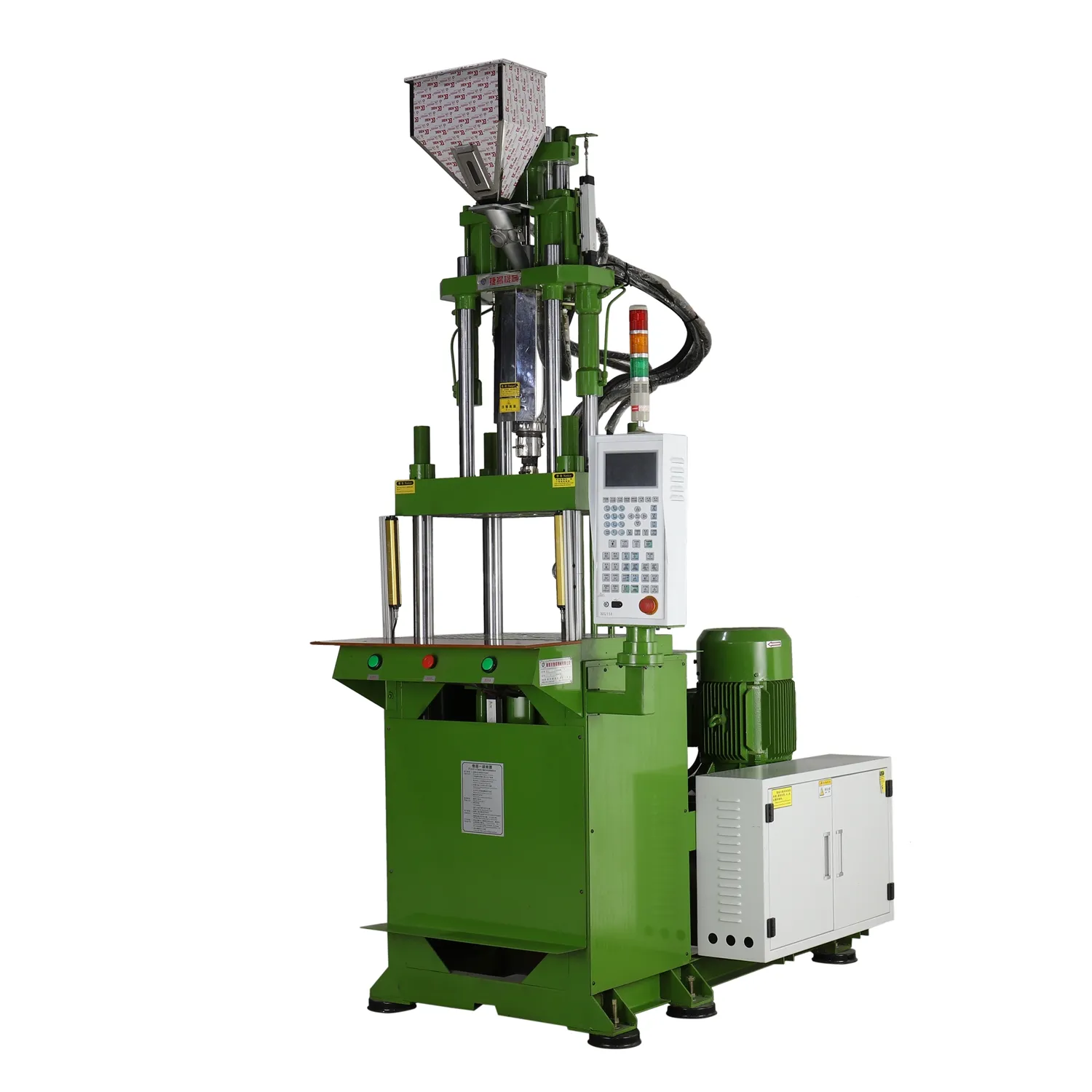
Definition: What Are Vertical Injection Molding Machines?
Vertical injection molding machines utilize a vertical clamping structure and are designed to operate in a different manner compared to their horizontal counterparts. The process involves inserting plastic pellets into a heated barrel, where they are melted and injected into a mold cavity positioned vertically. This method allows for greater efficiency in producing smaller, intricate parts.
Terms often associated with vertical injection molding include:
- Clamping Force: The measure of the force used to hold the mold closed during injection. Vertical machines typically exhibit clamping forces ranging from 5 to 300 tons.
- Cycle Time: The time taken to complete one injection mold cycle. Vertical machines can achieve cycle times reduced by up to 20% compared to horizontal setups.
- Mold Design: The approach to creating molds differs significantly, allowing for automated insert molding, which is essential in applications requiring multiple materials or components.
Application Scenario: Industries Using Vertical Injection Molding
Vertical injection molding machines find diverse applications across various industries, including:
- Automotive: Used to create intricate components with high precision, such as dashboards and lighting systems.
- Electronics: Ideal for manufacturing small parts like connectors, housings, and switches that demand precise tolerances.
- Medical Devices: Perfect for producing small, complex components that require stringent quality control, such as syringes and blood tubing.
Their flexibility and efficiency make vertical machines a go-to choice for these industries.
Brief Description of Advantages: Why Choose Vertical Injection Molding Machines?
The advantages of vertical injection molding machines extend beyond space-saving design. Key benefits include:
Reduced Footprint: Vertical machines can occupy up to 40% less floor space compared to horizontal machines, making them suitable for facilities with limited space.
Energy Efficiency: These machines often consume 25-30% less energy due to more efficient heating and cooling systems.
Better Accessibility: The vertical design allows for easier access to molds during maintenance and operation, reducing downtime.
Multi-material Capability: Many vertical machines can integrate multiple injection units, enabling multi-material production without the need for additional equipment.
Given these compelling advantages, vertical injection molding machines are becoming increasingly vital in maintaining production efficiency and quality in plastic manufacturing.
Ending: Next Step Guidance
If you're interested in exploring how vertical injection molding machines can enhance your manufacturing processes, consider reading user guides or manufacturer recommendations. For those new to the injection molding environment, starting your journey with JieYang vertical injection molding solutions might provide the necessary groundwork to understand these machines better.
FAQ
Q: What are the key differences between vertical and horizontal injection molding machines? A: Vertical machines typically require less floor space, offer faster cycle times, and can support multi-material molds better than horizontal machines.
Q: Are vertical injection molding machines more expensive than horizontal ones? A: The initial cost can be higher, but the long-term energy savings and increased efficiency can offset the upfront investment.
Q: In which industries is vertical injection molding more beneficial? A: Vertical machines excel in industries requiring precision and compact component production, such as automotive, electronics, and medical devices.
For further understanding, trial opportunities, or specific inquiries regarding JieYang products, explore manufacturer resources or request a demo.


评论
发表评论