High Speed Injection Molding Machines: Complete Guide
Introduction
High Speed Injection Molding Machine are vital equipment in today’s manufacturing sector, especially in the production of high-precision plastic components. By rapidly injecting molten plastic into molds, these machines enable the creation of complex products with consistent quality. As demand grows for efficiency and precision, understanding how these machines work, their advantages, maintenance needs, and purchasing considerations has become increasingly important. This guide provides a comprehensive overview to help businesses effectively apply this advanced molding technology.
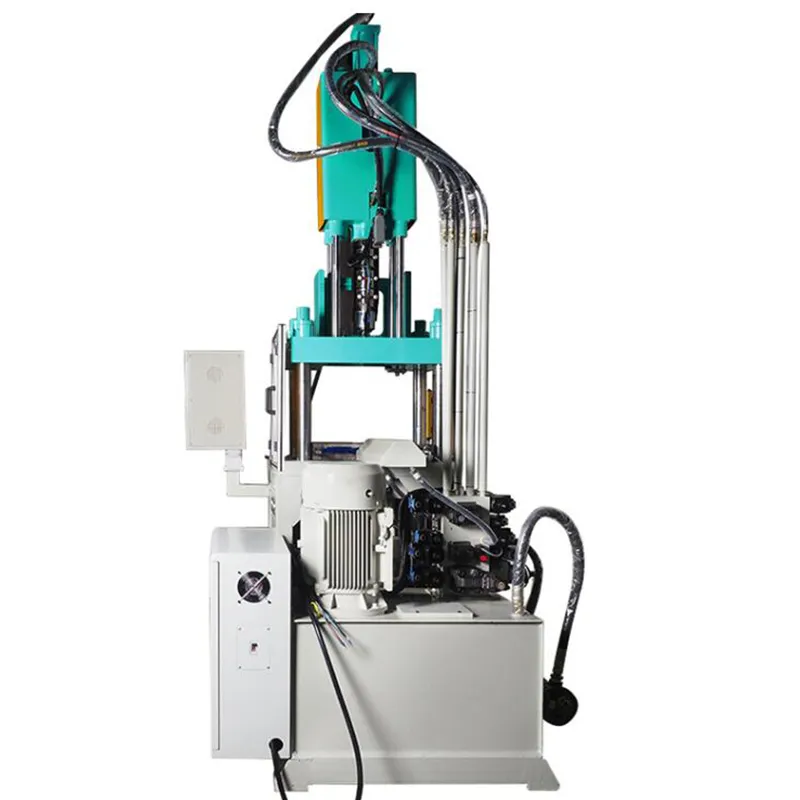
1. What is a High-Speed Injection Molding Machine?
A high-speed injection molding machine is a type of specialized equipment designed for the rapid production of plastic goods. With advanced molding technology and efficient operating systems, it delivers fast injection speeds and shorter cycle times. This means manufacturers can achieve higher output while reducing costs.
Typically, these machines are equipped with optimized hydraulic systems and precision injection units, enabling fast mold opening and closing as well as high-frequency cycles. They are widely applied in industries that require mass production and tight tolerances, such as electronics, automotive, medical devices, and consumer goods.
Key features include:
Accurate temperature and pressure control
High-speed screw injection systems
Responsive hydraulic mechanisms
Together, these elements ensure faster cycles, improved accuracy, and consistent product quality.
2. Working Principle of High-Speed Injection Molding Machines
The operation process follows several essential stages:
Mold Closing
The two halves of the mold are clamped tightly, forming a cavity for injection. Proper mold selection and installation directly influence production efficiency.
Injection
Plastic granules are fed into the screw system, where they are melted under heat and pressure. Once prepared, the molten plastic is injected into the mold cavity at high speed.
Cooling
The filled mold is left to cool, solidifying the molten material. Cooling time varies depending on the material properties and part requirements.
Mold Opening
Once solidified, the mold opens and the finished product is ejected. Mold opening speed impacts cycle time and overall productivity.
Cycle Completion
A full cycle—from mold closing to product ejection—can be completed in a much shorter timeframe compared to standard machines, making high-speed models ideal for large-scale production.
3. Advantages of High-Speed Injection Molding Machines
Higher Productivity
Shorter cycles allow more units to be produced per hour, boosting overall efficiency.
Better Product Consistency
Precise pressure and temperature control reduce defects, ensuring stable and uniform quality.
Lower Costs
High efficiency reduces production costs per unit, while fewer defects help minimize waste and rework.
Design Flexibility
Rapid injection enables the production of intricate, detailed designs that might be difficult with slower machines.
Efficient Resource Use
Advanced systems minimize raw material waste and energy consumption, supporting sustainable production.
4. Maintenance and Care
Lubrication and Cleaning
Regular lubrication of moving parts and cleaning of internal and external surfaces prevent wear and buildup.
Inspection of Parts
Key components—such as screws, molds, heaters, and sensors—should be checked regularly and replaced when worn.
Fault Detection and Repair
Issues like temperature fluctuations or hydraulic leaks should be addressed immediately to prevent downtime.
Calibration and Adjustment
Regular fine-tuning of operating parameters (temperature, pressure, speed) ensures consistent product quality.
Safety Checks
Protective doors, emergency stops, and light curtains must be tested periodically to guarantee operator safety.
5. How to Choose a High-Speed Injection Molding Machine
Analyze Production Needs
Define the type, size, and expected output of the products to be manufactured. This helps determine machine capacity and specifications.
Evaluate Performance Parameters
Key factors include injection pressure, speed, clamping force, and control system responsiveness. Energy efficiency and stability should also be assessed.
Supplier and Support
Select a partner that can provide strong technical support, reliable after-sales service, and proven quality control. Site visits to evaluate production and quality systems can add confidence in the purchase.
Cost-Benefit Consideration
Beyond purchase price, analyze efficiency, energy use, maintenance costs, and long-term durability. A well-chosen machine should deliver both high performance and a favorable return on investment.
Conclusion
High-speed injection molding machines have transformed modern plastic manufacturing by combining efficiency, precision, and versatility. Businesses that understand their principles, advantages, and maintenance practices can achieve higher productivity and stronger competitiveness. When selecting equipment, careful evaluation of production needs and cost-effectiveness will ensure the best long-term outcome.
If you are exploring options for your production line, consider these insights as a reference to help you choose and apply the right solution.


评论
发表评论